

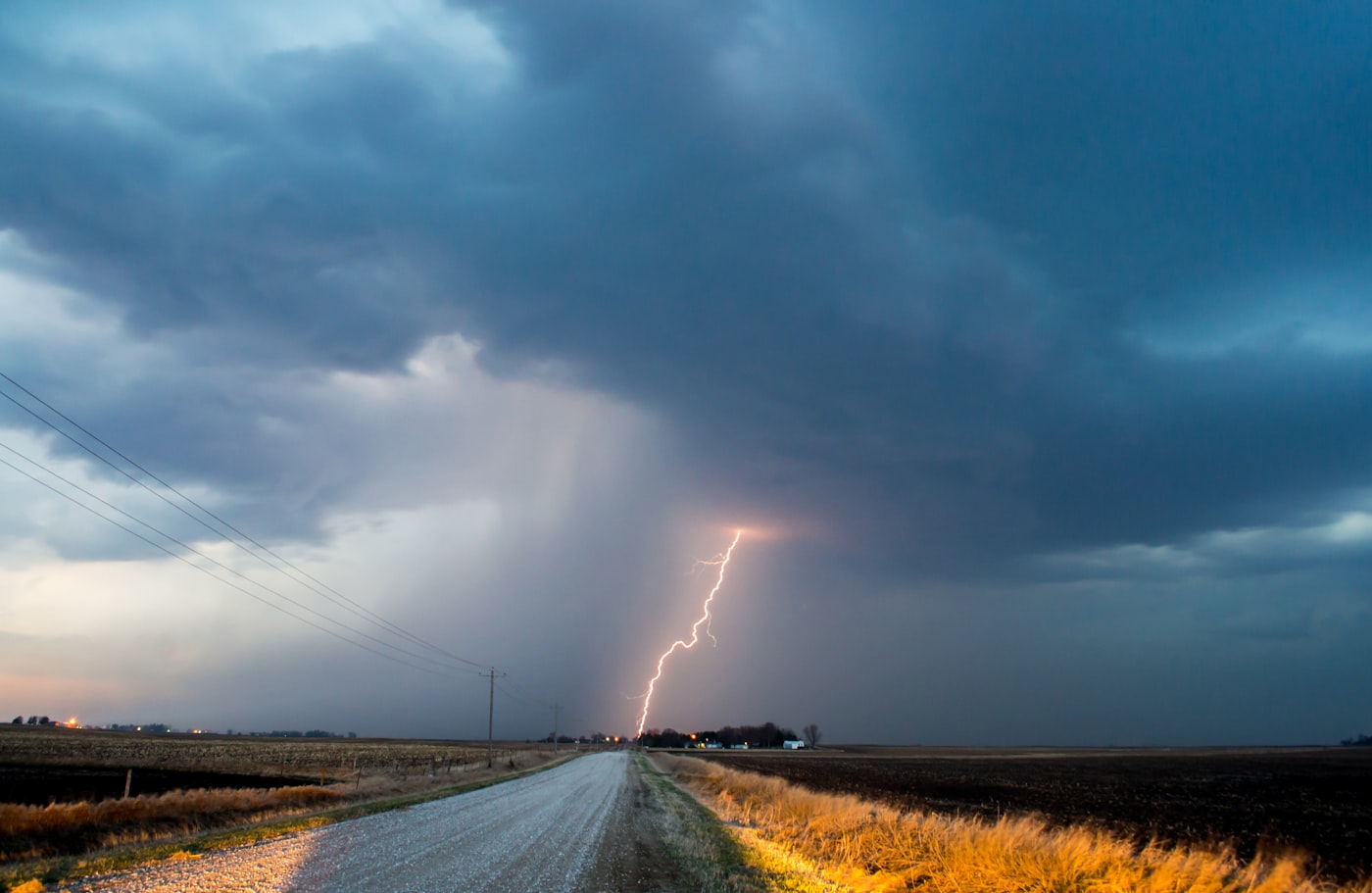
It sounds surprising, but a thunderstorm can trigger a wave of sudden, severe asthma attacks — sometimes in people who didn't even know they had asthma. Doctors call it 'thunderstorm asthma.'
What Is Thunderstorm Asthma?
It's a sudden surge in asthma symptoms during or shortly after a thunderstorm, usually when pollen counts are high. Strong winds and moisture break pollen grains into tiny fragments — up to ten times smaller than the original grain.
These particles are small enough (under 2.5 micrometres) to slip past your nose and travel deep into the lungs, where they can set off wheezing and breathlessness very quickly.
Who Is Most at Risk?
- People with hay fever (allergic rhinitis), especially grass-pollen allergy
- Anyone with mild — or even undiagnosed — asthma
- Children and young adults
- People not taking regular preventer medication
Warning Signs to Take Seriously
- Sudden coughing, wheezing or chest tightness
- Shortness of breath that comes on fast
- Symptoms that worsen quickly during or after a storm
A severe asthma attack is an emergency. If breathing is very difficult, the reliever inhaler isn't helping, or the lips look blue, seek medical help immediately.
How to Protect Yourself
- Stay indoors during a thunderstorm and keep windows closed.
- Use an air conditioner or HEPA air filter to reduce indoor pollen.
- If you have hay fever, treat it properly — controlled allergies mean lower risk.
- Keep your reliever inhaler with you, and take your preventer inhaler as prescribed.
- Shower and change clothes after being caught outdoors in high wind.
The Long-Term Fix: Control the Allergy
Thunderstorm asthma is really an allergy problem. If you have hay fever or grass-pollen allergy, an allergy evaluation — and treatments like immunotherapy — can reduce how strongly you react, lowering your risk when the next storm hits.
If storms, pollen or seasonal changes affect your breathing, book an assessment at our Thane clinic so we can find your triggers and build an asthma action plan.
Have these symptoms? Let's find the real cause.
Book a consultation with Dr. Mosam Maroo, Paediatrician & Allergist, at the Allergy & Asthma Centre in Hiranandani Meadows, Thane.