
Condition
Anaphylaxis
Life-threatening allergic reactions — an action plan, adrenaline and long-term risk reduction.
Allergy & Asthma Centre
Hiranandani Meadows, Thane
Anaphylaxis is a severe, rapidly developing allergic reaction that can be life-threatening. Recognising it early and treating it immediately with adrenaline saves lives.
Warning Signs
- Difficulty breathing, wheezing or throat tightness
- Swelling of the lips, tongue or throat
- Widespread hives
- Dizziness, fainting or collapse
- Vomiting alongside any of the above
What to Do in an Emergency
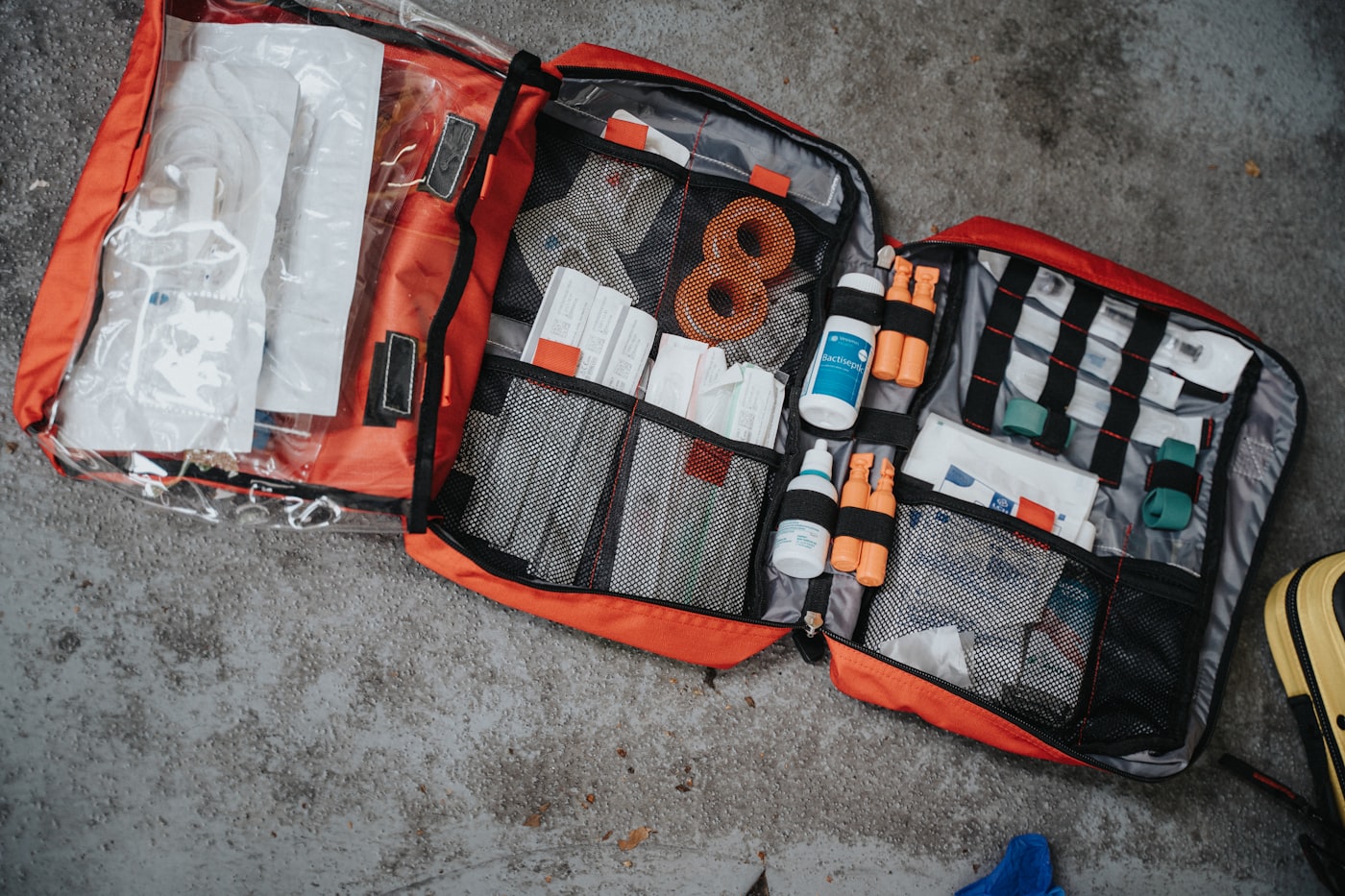
Use an adrenaline auto-injector immediately if one is prescribed, call for emergency help, and lie the person down with their legs raised. Anaphylaxis is always a medical emergency — even if symptoms seem to improve.
Common Causes
- Foods such as nuts, milk, egg and shellfish
- Insect stings
- Medicines
- Latex
Long-Term Management
After a reaction, an allergist confirms the trigger, provides an adrenaline auto-injector and a written emergency action plan, and advises on avoidance. For some triggers, immunotherapy can reduce future risk.
If you or your child has had a severe reaction, a specialist assessment ensures you're protected and prepared.
Other conditions we treat
View all
Seasonal Allergy (Allergic Rhinitis)
Sneezing, a blocked or runny nose and itchy eyes triggered by pollen, dust or weather changes.
Learn more
Asthma
Cough, wheeze and breathlessness from inflamed, sensitive airways — controllable with the right plan.
Learn more
Food Allergy
Reactions to foods like milk, egg, nuts and seafood — identified precisely and managed safely.
Learn more