
Diagnostics & treatment
Immunotherapy & Biologics
Treatments that tackle the root of allergic disease — immunotherapy retrains the immune system, and biologics target severe, hard-to-control allergy and asthma.

Allergy & Asthma Centre
Hiranandani Meadows, Thane
Most allergy treatments ease symptoms. Immunotherapy and biologics are different — they work on the underlying immune process behind allergic disease, offering lasting control for the right patients.
How Immunotherapy Works
You're given slowly increasing doses of the allergen you react to — either as an injection (allergy shots) or under the tongue (sublingual immunotherapy, SLIT). Over time, your immune system is retrained to tolerate the trigger and stops overreacting.
What It Can Treat
- Allergic rhinitis (hay fever) from dust mites or pollen
- Allergic asthma
- Allergic conjunctivitis
- Insect-venom allergy
What to Expect
Immunotherapy is a longer-term commitment, usually over about three years, but the benefits can last well beyond treatment. Around 80% of suitable patients achieve significant, lasting relief. It's recommended after testing confirms your specific triggers.
What Are Biologics?
Biologics are advanced, targeted medicines for moderate-to-severe allergic conditions that don't respond well to standard treatment. Rather than dialling down the whole immune system, they block the specific molecules — such as IgE or key interleukins — that drive allergic inflammation.
When Biologics Help
- Severe allergic asthma that stays uncontrolled despite inhalers
- Chronic spontaneous urticaria (long-standing hives)
- Severe eczema (atopic dermatitis)
- Chronic rhinosinusitis with nasal polyps
Given as regular injections, biologics can sharply reduce flare-ups and the need for oral steroids. We assess whether immunotherapy, a biologic, or a combination is the right fit after confirming your diagnosis.
Is It Right for You?
These treatments work best when matched to a confirmed diagnosis — which is why accurate testing comes first. A specialist assessment helps decide whether immunotherapy, a biologic, or both suit you.
If daily medicines aren't enough, immunotherapy or a biologic may offer a longer-term solution — book an assessment to find out.
Other diagnostics & treatments
View all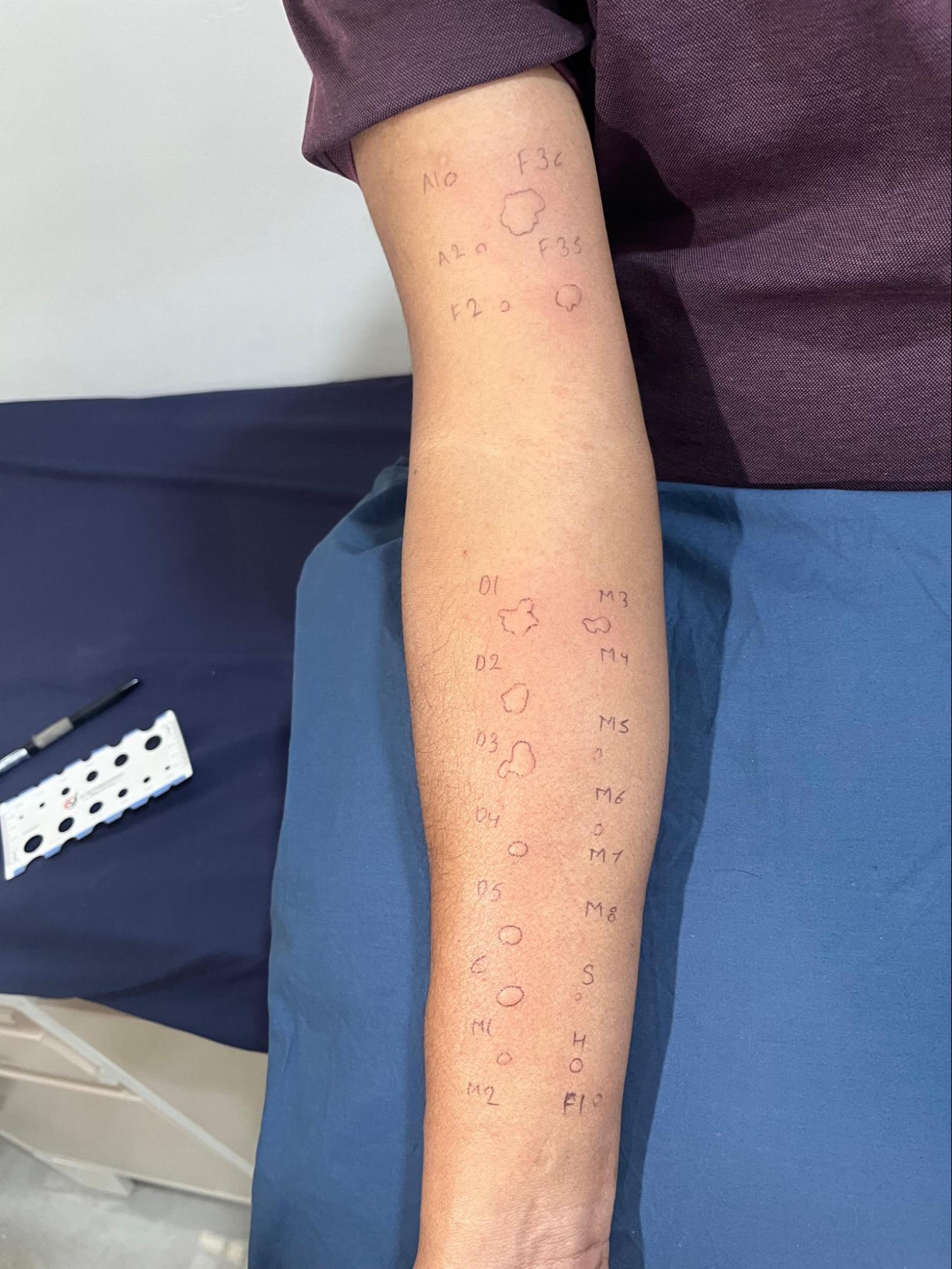
Skin Prick Testing
A simple, accurate way to identify your allergy triggers — with results in about 20 minutes.
Learn more
Spirometry
A quick breathing test that measures how well your lungs work — key to diagnosing and monitoring asthma.
Learn more
Component Resolved Diagnostics (CRD)
Advanced blood testing that pinpoints the exact protein you react to — for truly personalised advice.
Learn more